|































 |
|
|
|
|
|
|
|
|
|
|
|
Odd Man Out: An autobiographical series, currently in three volumes |
||||||||||
 |
 |
|||||||||
|
Volume 1: Through the Eyes of a Child |
||||||||||
|
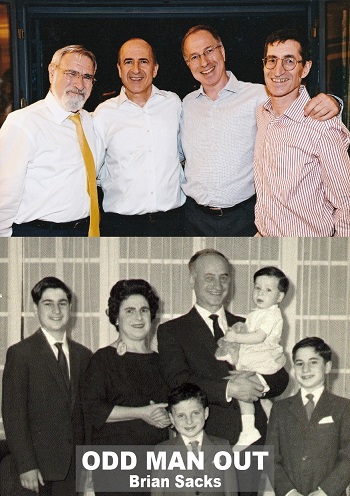
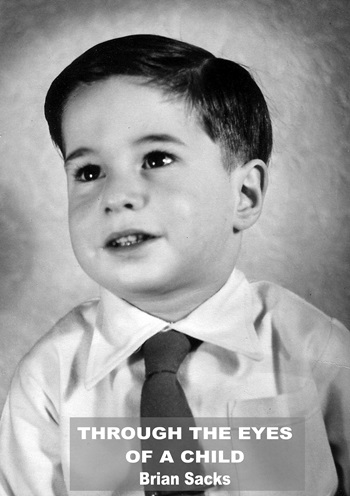
I have written a book about my early life and my family. It can be found by looking up "Odd Man Out Brian Sacks" on Amazon. All formats (colour paperback, black-and-white paperback, Kindle e-book) are priced at virtually the minimum allowable by Amazon, and all royalties will be donated to hatzola.org. Here is the description provided to Amazon:
This memoir recounts the young life of Brian Sacks, a Jewish boy growing up in 1950s and 1960s Finchley, north-west London. It chronicles his school days at a Church of England primary school and a local grammar school, alongside his Hebrew education at Finchley Synagogue and experiences praying at local synagogues, including one founded by his father. It paints word portraits of his family life and of the grown-ups who shaped it: parents Louis and Libby, grandparents and home help Ada. It continues with accounts of his undergraduate life in Cambridge in the early 1970s, and an account of the joys of running in his later life.
|
||||||||||
|
Volume 2: Moving On: Replanting a Life in Israel |
||||||||||
 |
||||||||||
|
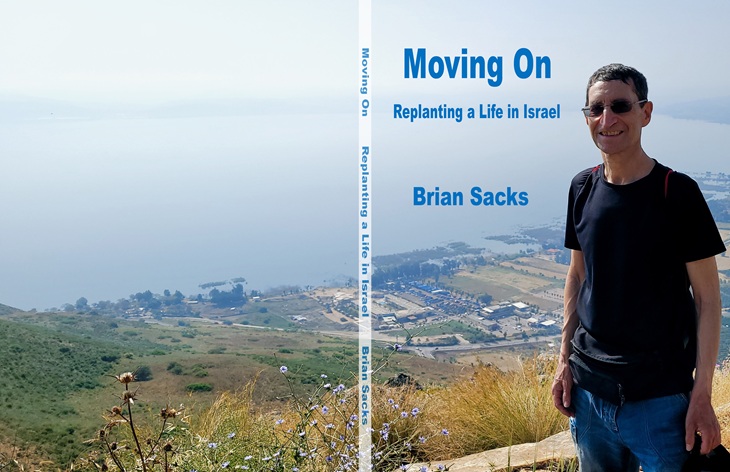
This volume is also available on Amazon, as a colour paperback or a Kindle e-book, by searching for "Moving On Brian Sacks". Also priced at virtually the minimum allowable by Amazon, all royalties will be donated to hatzola.org. After living in South East England for almost 67 years, I moved to live in Israel in August 2018. Having studied and worked all my life within secular English society, and being proficient in English but totally unskilled in Hebrew, I experienced an immediate culture shock. To cope with this, I started a diary for my own therapeutic benefit. Of course, as well as recounting my sometimes annoying experiences, I also documented those happenings that were inspiring or funny or dramatic; in short, the joys as well as the frustrations. The book can also be downloaded in PDF format by clicking on the “Moving On” photo above. |
||||||||||
|
Volume 3: The Big Question |
||||||||||
 |
||||||||||
 |
||||||||||
|
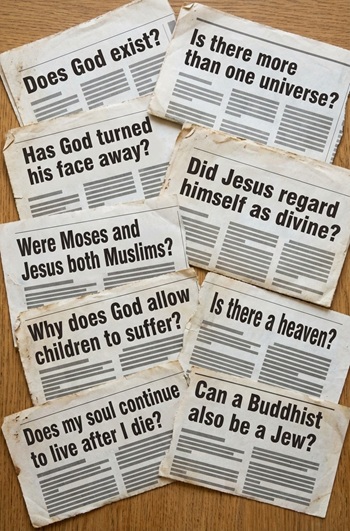
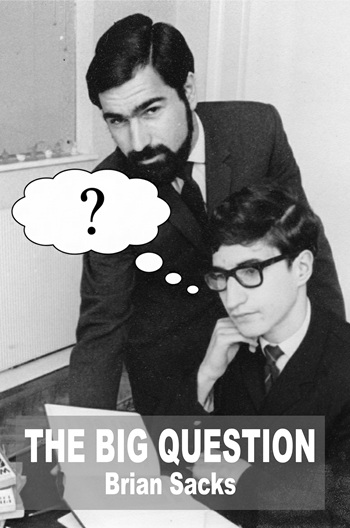
This volume is also available on Amazon, as a black & white paperback or a Kindle e-book, by searching for "The Big Question Brian Sacks". Also priced at virtually the minimum allowable by Amazon, all royalties will be donated to hatzola.org. The Big Question (the third volume of the series Odd Man Out) is a deeply personal exploration of faith, doubt, and identity. Raised in a Jewish family in mid 20th century England, Brian Sacks recounts his lifelong journey of questioning - from childhood lessons in Hebrew scripture, through the rituals of Orthodox practice, to the challenges posed by science and by his lived experience both within and outside a nuclear family. •The tension between inherited faith and personal belief At once memoir, theological reflection, and cultural critique, The Big Question is the testimony of a man who never quite fitted in to his faith community, yet never stopped searching. Whether you are a believer, skeptic, or seeker, this book invites you to engage with some of the profound questions that shape our lives: Was the universe created by chance or design? Do organized religions provide an answer as to how we should live? Do we cherry pick from what they offer, or do we simply work it out for ourselves?
|
||||||||||